


Golden Gate Park Japanese Tea Garden: Parking Info & More!


I spent an afternoon at the oldest public Japanese garden in the United States, and I'm still thinking about it.
Tucked away in the eastern half of Golden Gate Park, the Japanese Tea Garden is one of those rare San Francisco spots that actually lives up to the hype. Between the arched drum bridge, serene koi ponds, and stone lanterns scattered along every path, this place has become one of the most popular attractions in the city for good reason. But here's what most visitors don't know: timing, parking, and a few insider moves can completely transform your experience from crowded tourist trap to peaceful retreat.
I'm going to walk you through exactly what to expect, where to park without losing your mind, what the admission actually gets you, and the best time to visit if you want to avoid long lines and actually enjoy the zen garden vibes.
Because once you know how to do this right, the Japanese Tea Garden becomes one of the best things to do in San Francisco.
Golden Gate Park, Japanese Tea Gardens: What Makes This Place Special (And Why It's Worth the Trip)
The Japanese Tea Garden isn't just beautiful. It's historically significant in a way that adds weight to every stone path you walk.
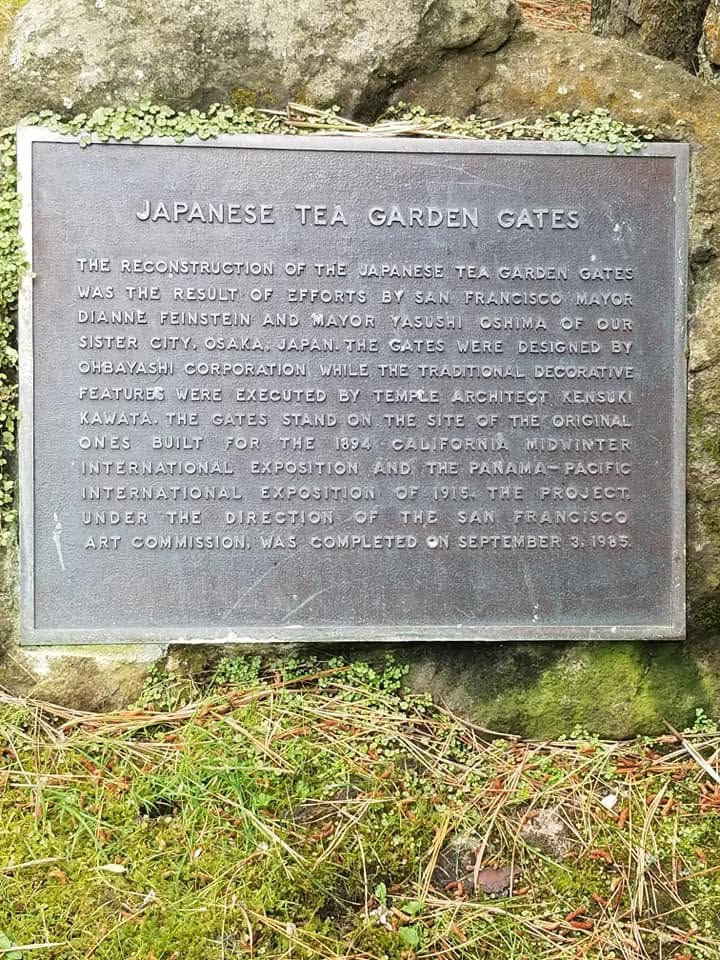
Originally created as the Japanese Village exhibit for the 1894 California Midwinter International Exposition, this garden has survived over a century of San Francisco history, including the dark chapter of World War II when the Hagiwara family, who had lovingly maintained the garden for decades, was forced into internment camps. Walking through today, you're experiencing the vision that Makoto Hagiwara and his family poured into this space, a vision that introduced the Western world to classic elements of Japanese culture and landscape design.
The garden spans five acres and features:
The iconic arched drum bridge and Moon Bridge, which are easily the most photographed spots in the entire park
Serene koi ponds and Blue Heron Lake where you can actually pause and watch the fish glide through crystal-clear water
Stone lanterns, pagodas, and a five-story Peace Pagoda that anchor the garden's meditative atmosphere
Native Japanese plants including cherry blossom trees, maples, and sculpted pines that transform with every season
The traditional tea house where you can sip a meditative cup of tea and sample fortune cookies (yes, this is where they were invented)
Famous bridge stone lantern beautiful flowers
What surprised me most was how the garden manages to feel expansive even though it's relatively compact. The stone paths wind in ways that create pockets of quiet, and if you visit during off-peak hours, you can find yourself completely alone with nothing but the sound of water trickling through bamboo fountains. This isn't just a photo op garden. It's a beautiful place designed for free movement and contemplation, with wheelchair-accessible pathways that make the entire experience available to everyone.
The garden earns its reputation as one of the top things to do in Golden Gate Park, and after walking every inch of it, I completely understand why.

My Visit: What It's Actually Like Inside
I visited on a busier weekend at around noon. I would suggest going on a weekday and earlier in the morning to avoid crowds and get great parking.
The moment I walked through the entrance, I was hit with the scent of blooming flowers and the sight of sunlight filtering through Japanese maple leaves. The arched drum bridge was empty, which almost never happens, so I took my time crossing it and soaking in the view of the koi pond below. From there, I followed the stone paths deeper into the garden, passing stone lanterns that have stood in the same spots for over a hundred years.
Here's what stood out during my visit:
The tea house experience is absolutely worth it. Order a pot of green tea and a fortune cookie, and sitting on that terrace overlooking the garden while sipping tea felt like stepping out of San Francisco entirely. The staff was knowledgeable and shared stories about the history of the Japanese Tea Garden and the Hagiwara family's role in creating fortune cookies.
The zen garden near the center of the gardens is a masterpiece of simplicity. Raked gravel, carefully placed rocks, and zero distractions. I sat on a bench for 20 minutes just watching the patterns and letting my brain decompress.
Cherry blossom season is magical but crowded. I returned during peak bloom in late March, and while the cherry blossom trees were absolutely stunning, the crowds were intense. If you visit during this time, get there right when they open or plan for long lines at the ticket booth.
The gift shop at the exit has surprisingly high-quality items. I picked up a small ceramic tea set and some Japanese incense, and both have become daily-use favorites at home.
One thing I didn't expect: how much the garden changes depending on when you visit. Morning light creates completely different shadows and moods compared to late afternoon. If you're a photographer or just someone who loves soaking in atmosphere, plan to visit twice at different times of day. The garden reveals different layers depending on the light, the season, and how many people are walking the paths with you.
This is a great place to slow down, and if you give it the time it deserves, it rewards you with moments of real peace in the middle of a busy city.
Where to Park (Because This Is San Francisco and Parking Matters)
Let's be honest: parking in San Francisco can ruin an otherwise perfect day, so let's talk strategy.
The Japanese Tea Garden is located off Hagiwara Tea Garden Drive in the eastern half of Golden Gate Park, and you have several parking options depending on how much you're willing to walk and how much you want to spend.
Best Parking Options Near the Japanese Tea Garden:
Music Concourse Garage (Best Option for Most Visitors) This underground parking garage sits directly beneath the Music Concourse, within easy walking distance of the Japanese Tea Garden, de Young Museum, and California Academy of Sciences. It's the most convenient option, and while it's not free, the rates are reasonable for San Francisco. You'll pay by the hour, and the garage has accessible parking spaces and an ADA-accessible restroom. This is my go-to recommendation if you're visiting multiple attractions in one trip.
Free Street Parking on JFK Drive and Fulton Street If you're patient and don't mind circling for a bit, you can find free street parking along John F. Kennedy Drive (JFK Drive) and Fulton Street. On Sundays and some holidays, JFK Drive is closed to cars, which means zero traffic and plenty of free parking spots on side streets. Keep in mind there's usually a two-hour limit, so set a timer if you plan to explore beyond the tea garden.
Bandshell All-Accessible Lot This smaller parking lot is located near Nancy Pelosi Drive and offers accessible parking spaces. It's a solid option if you need a parking spot close to the garden entrance and want to avoid the underground garage.
Parking Along Martin Luther King Drive and Bowling Green Drive These streets offer free parking on a first-served basis, but you'll need to walk a bit farther to reach the Japanese Tea Garden entrance. If you're visiting on a weekday morning, this is often your best bet for snagging a free spot without much hassle.
Pro Parking Tips: Arrive before 10 AM on weekdays to score free street parking. On weekends, especially during cherry blossom season, the Music Concourse Garage fills up fast, so plan to arrive early or use public transit. If you're visiting other gardens of Golden Gate Park like the San Francisco Botanical Garden or Conservatory of Flowers, park once and walk between attractions to avoid moving your car multiple times.
One last thing: if you're using GPS, plug in "Hagiwara Tea Garden Drive" or "Music Concourse Golden Gate Park" to get the most accurate directions. Some mapping apps will try to send you to the wrong entrance, and you'll end up walking way farther than necessary.
Parking doesn't have to be a nightmare if you plan ahead, and with these options, you'll spend less time hunting for a parking spot and more time enjoying the garden.

Admission Prices, Hours, and What You Need to Know Before You Go
The Japanese Tea Garden keeps things straightforward when it comes to pricing and hours, but there are a few insider details that can save you money and time.
Admission Prices:
Adults (ages 12-64): $10
Youth (ages 5-11) and Seniors (65+): $7
Children under 5: Free admission
San Francisco residents: Free admission on Monday, Wednesday, and Friday before 10 AM (bring ID to prove residency)
Hours of Operation: The garden is open daily from 9 AM to 6 PM during peak season (March through October) and 9 AM to 4:45 PM during off-season months (November through February). Last entry is 30 minutes before closing, so if you show up at 5:45 PM in summer, you're getting in, but you won't have much time to explore.
The ticket booth is located at the main entrance, and during busy periods (weekends, holidays, cherry blossom season), expect long lines starting around 10:30 AM. If you want to skip the wait, arrive right when the gates open or visit on a weekday afternoon when most tourists are at other attractions.
What's Included in Your Admission: Full access to all five acres of the garden, including the zen garden, stone paths, koi ponds, bridges, and pagodas. The tea house is open to all visitors, and you can order tea, snacks, and fortune cookies at an extra cost (prices are reasonable, usually under $10 for tea and cookies). The gift shop is free to browse and located near the exit.
Free Admission Hacks: If you're a San Francisco resident, take advantage of the free admission mornings. Even if you're not a resident, visiting on a weekday morning when the garden first opens gives you the best experience with fewer crowds and better light for photos.
One thing to note: the Japanese Tea Garden is managed by San Francisco Recreation and Parks, and admission fees support the maintenance and preservation of this historic space. Your $10 goes toward keeping the garden beautiful and accessible for future generations, so it's money well spent.
Plan your visit around these hours, and you'll have plenty of time to explore without feeling rushed.
Japanese Garden Pond Large heron in the pond Pagoda

Other Must-See Attractions in Golden Gate Park
If you're making the trip to the Japanese Tea Garden, you're already in one of the best urban parks in the United States, and there are several other incredible spots within walking distance.
Golden Gate Park spans over 1,000 acres, and the eastern half where the Japanese Tea Garden is located is packed with some of the most popular attractions in San Francisco. Here's what else you should consider adding to your visit:
California Academy of Sciences: This world-class natural history museum sits directly across from the Japanese Tea Garden and features a living roof, a four-story rainforest, an aquarium, and a planetarium all under one roof. If you're visiting with kids or you're into science and nature, this is a must. Plan at least 2-3 hours here. Admission is separate from the tea garden, and tickets can be purchased online in advance to skip the line.
de Young Museum: Located right next to the Japanese Tea Garden, the de Young Museum is one of San Francisco's premier art museums, featuring American art, international contemporary pieces, and rotating exhibitions. The observation tower offers one of the best free views in the city, and you don't need a museum ticket to access it. If you love art and architecture, carve out time for this one.
San Francisco Botanical Garden: A short walk from the Japanese Tea Garden, the San Francisco Botanical Garden features 55 acres of plants from around the world, including a stunning collection of magnolias, succulents, and native California plants. Admission is free for San Francisco residents and reasonably priced for everyone else. It's a peaceful contrast to the more structured design of the Japanese Tea Garden.
Conservatory of Flowers: This stunning Victorian greenhouse is one of the oldest in the United States and houses a rotating collection of rare tropical plants and flowers. The building itself is a work of art, and the interior exhibits change seasonally, so there's always something new to see.
Stow Lake and Strawberry Hill: If you want to add some outdoor activity to your day, rent a paddleboat or rowboat at Stow Lake and explore the water. You can also hike up Strawberry Hill for a vista point with views of the Golden Gate Bridge and the city skyline.
Golden Gate Park Shuttle: On weekends and holidays, the free shuttle runs through Golden Gate Park, stopping at major attractions including the Japanese Tea Garden, de Young Museum, California Academy of Sciences, and more. It's a great way to explore the park without worrying about moving your car or walking long distances.
These attractions are all within a 5-15 minute walk from the Japanese Tea Garden, and if you're planning a full day in Golden Gate Park, you can easily hit three or four of them without feeling rushed. The park is designed for free movement and exploration, so take your time and enjoy everything this beautiful place has to offer.

Who Should Visit the Japanese Tea Garden
The Japanese Tea Garden is a perfect fit for anyone looking for a peaceful, visually stunning experience in the heart of San Francisco.
If you love gardens, Japanese culture, photography, or you're just looking for a beautiful place to slow down and reset, this is one of the best options in the city. Families with kids will appreciate the wheelchair-accessible pathways, the koi ponds (kids are mesmerized by the fish), and the tea house where everyone can sit and enjoy a snack. History buffs will love learning about the Hagiwara family, the California Midwinter International Exposition, and the role this garden played in introducing Japanese garden design to the Western world.
That said, if you're looking for a huge, sprawling garden where you can hike for hours, the San Francisco Botanical Garden or the broader trails in Golden Gate Park might be a better fit. The Japanese Tea Garden is compact and designed for contemplation, not cardio. And if you're visiting during peak cherry blossom season or on a summer weekend, be prepared for crowds. This is one of the most popular attractions in Golden Gate Park, and it shows.
But for most visitors, especially those who arrive early or visit on a quieter weekday, the Japanese Tea Garden delivers exactly what it promises: a serene, stunningly beautiful escape that feels worlds away from the busy streets of San Francisco.
The Japanese Tea Garden is one of those rare places that exceeds expectations, and after visiting multiple times, I can confidently say it's worth every minute you spend here. From the arched drum bridge to the meditative cup of tea in the traditional tea house, every corner of this garden is designed to help you slow down and appreciate the artistry of Japanese landscape design.
Yes, parking can be tricky, and yes, it gets crowded during peak times, but if you follow the tips in this guide, you'll have an incredible experience at one of San Francisco's most iconic and beloved spots.
statue in park Koi fish garden view


Comments